

Peter Clegg
Download PDF
Jun 23 2025
1
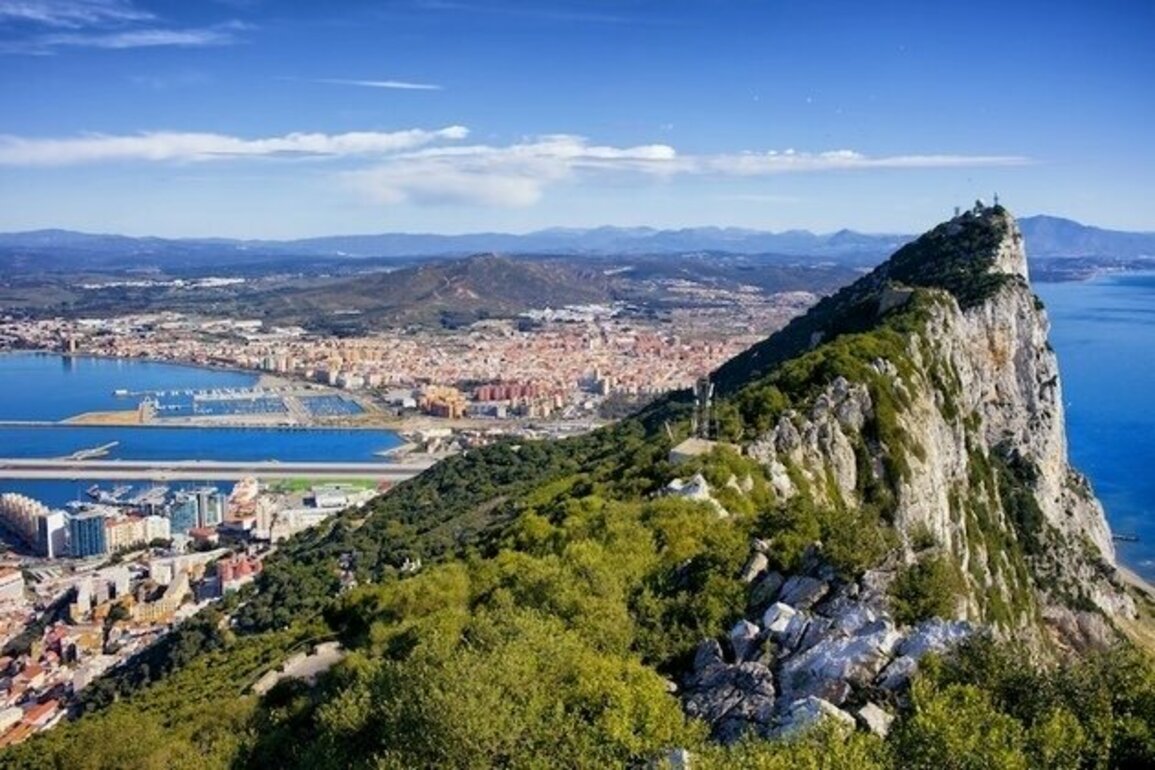
viewsrognar/DepositphotosBrexit has had numerous consequences, many of which were scarcely discussed in the lead-up to the 2016 referendum. TheBritish Overseas Territories(BOTs) were not exempt from the repercussions following the decision to leave the European Union (EU). All BOTs maintained a formal relationship with the EU through the2013 Overseas Association Decision, which provided a range of benefitsincluding economic and environmental cooperation, development assistance, policy dialogue, and the free movement of goods, services, and people. For Gibraltar, the end of free movement raised concerns about the future of its open border with Spain. Interim measures were introduced to maintain a fluid border when the UK formally exited the EU in 2020. However, without a comprehensive agreement, there remained a real risk that the border would become much harderespecially with the EUs upcoming implementation of the newEntry/Exit System(EES).
Indeed, there were signs that managing the border was becoming increasingly difficult. For instance, Spanish authorities began to intensifycheckson people crossing the border, resulting in long delays and queues. Approximately 15,000 people commute daily from Spain to Gibraltar for work, comprising over half of Gibraltars workforce. Additionally,waste disposalin Gibraltar was becoming more problematic, as much of it is transported across the border. Many older Gibraltarians recall theborder closurebetween 1969 and 1982, a decision made by General Franco. Although Gibraltarians demonstrated flexibility and resilience in adapting to the closure, it caused significant short- to medium-term economic hardship and separated families and friends. Spanish workers also suffered during this period. The desire to protect the economies of both Gibraltar and Spain was therefore a key factor in the push to secure a post-Brexit agreement.
Negotiations that began under the UK Conservative Government were protracted, with key obstacles including the precise role of Spanish officials conducting Schengen checks in Gibraltar and the status of Gibraltar Airport, which also serves as an RAF base. However, on 11 June 2025, anagreementwas reached on the core aspects of a future treaty. The overarching goal is to enhance prosperity across the GibraltarSpain region by removing physical barriers and checks on people and goods, while safeguarding the Schengen Area, the EU Single Market, and the Customs Union. The hope is that the deal will provide legal certainty, stimulate economic growth, and strengthen cooperation between Gibraltar and Spain.
More specifically, the agreement includes the following commitments: First, joint border checks at Gibraltars port and airport will replace controls at the GibraltarLa Lnea crossing, easing daily travel. Spain will conduct Schengen checks, while Gibraltar will maintain UK checks. Oneoutcomeof this will be that UK nationals visiting Gibraltar will be counted as part of the time-limited allowance (90 days) for short stays in the Schengen area. Second, a customs union between Gibraltar and the EU will eliminate goods checks and ensure tax alignmentparticularly on tobaccoto prevent market distortions and support regional development. Third, guarantees on fair competition in areas such as labour, the environment, anti-money laundering, transport, and social security. The agreement also establishes a financial mechanism to support training, employment, and regional cohesion.
On announcing the agreement, UK Foreign SecretaryDavid Lammysaid: Alongside the Government of Gibraltar, we have a reached an agreement which protects British sovereignty, supports Gibraltars economy and allows businesses to plan for the long-term once again. He also took a swipe at the previous Conservative government: This government inherited a situation from the last government which put Gibraltars economy and way of life under threat. Todays breakthrough delivers a practical solution after years of uncertainty. Gibraltars Chief Minister,Fabio Picardo, who played a central role in the negotiations, also welcomed the deal. WhileJos Manuel Albares, the Spanish foreign affairs minister, said it would bring down the last wall on the continent.
To her credit, Conservative Shadow Home Secretary,Priti Patel, did not dismiss the deal, but reserved judgement until full details were available. However, others on the right went to their usual default position. Former Tory Home SecretarySuella Bravermansaid: We are absolutely furious about this deal. Its another unbelievable and unimaginable betrayal.Reform UKdescribed the agreement as a total surrender, while Conservative Armed Forces spokespersonMark Francoisdeclared: First Chagos, now Gibraltarand next, probably the Falklands. Labour used to sing The Red Flagnow they just wave a big white one instead.
Previously, I have argued that this narrativelinking decisions about one BOT to othersis misleading and overlooks the important differences between them. Many Brexiteers opposition to this deal is a classic case of wanting to have their cake and eat it. They voted for Brexit (whichGibraltarstrongly opposed), demanded a hard Brexit, yet seem either unable or unwilling to acknowledge and address the problems it has caused. Without a pragmatic border deal, Gibraltars political and economic positionwhich the right claims to staunchly defendwould almost certainly have been hurt longer term.Right-wing voicesin Spain are also opposed to the agreement, but they feel it concedes too much to the UK and Gibraltar.
Interestingly, this is not the first instance in which a complex border issue has been successfully addressed between the UK and an EU member state. TheSovereign Base Areas (SBAs) of Akrotiri and Dhekelia, located on the southern coast of Cyprus, form a single BOT. These areas were retained by the UK following Cyprus independence and are home to a non-permanent British population as well as a permanent Cypriot community. Prior to Brexit, the border between the SBAs and the Republic of Cyprus was entirely open. Given the unique characteristics of the territory, it was essential to maintain this openness. To preserve the status quo, a specificProtocolwas included in the Withdrawal Agreement negotiated under Prime Minister Boris Johnson. This Protocol ensures the continued application of EU law in key areas such as taxation, goods, agriculture, and fisheries within the SBAs, with enforcement carried out by the Republic of Cyprus.
Although Gibraltar has been described asthe last piece of the EU exit jigsaw, several Brexit-related issues concerning the BOTs remain unresolved and, hopefully, will soon be addressed. Perhaps the most pressing of these involves the Falkland Islands and its fisheries exports to the EU. At the time of Brexit, none of the BOTs were included in the UK-EU Trade and Cooperation Agreement. While only a few BOTs engage in trade with the EU, the Falklands is a notable exceptionparticularly in its trade with Spain. Over the years, the Falklands has developed strong ties with Spanish fishing fleets and importers. As a result, more than 90% of the fish caught in its watersprimarily Loligo squid and various finfishare exported to Spain. This industry is vital to the Falklands economy, contributing around 40% of the governments annual revenue. It is also significant for Spain, which sources over 30% of its imported calamari from the Falklands.
Before Brexit, Falklands fisheries exports entered the EU tariff-free. Now, they are subject to the EUs common external tariff, which ranges from 6 to 18%, amounting to approximately 15 million annuallya substantial burden for a small economy. There is hope that, as part of a broader reset in UK-EU relations, the trade status of the BOTs can be improved. In a recent parliamentary response,David Lammystated, we are always seeking to reduce tariff burdens for our overseas territories, and we are in ongoing discussions with the European Union in particular.
Further Reading on E-International Relations
- Lingering Effects of the UKs Brexit Role Change
- Evaluating the Repercussions of the Chagos Islands Sovereignty Deal
- Opinion Spains Request For NATO Coronavirus Aid: Will Turkey Answer?
- Ceuta and Melilla: Pioneers of Post-Cold War Border Fortification
- The UKs Global Role Post-Brexit: What is Worth Researching?
- We Unhappy Few: The Conservative Party Leadership Race
About The Author(s)
Professor Peter Cleggis Head of the School of Social Sciences at the University of the West of England, Bristol. He has been a Visiting Fellow at the Institute of Commonwealth Studies in London, and a Visiting Research Fellow at the Sir Arthur Lewis Institute of Social and Economic Studies (SALISES) at the University of the West Indies in Jamaica.
TagsBrexitGibraltarSpainUnited Kingdom