

According to the United Nations, the world needs an extra$4 trillion every yearto tackle some of the worlds biggest challenges ending poverty and hunger, fighting climate change, and reducing inequality.
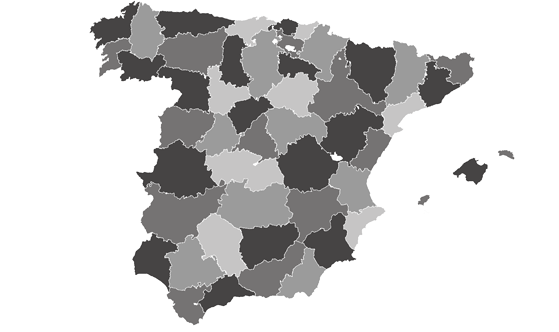
UN Member States have reached agreement on the outcome document for the Fourth International Conference on Financing for Development, to be formally adopted at an upcoming summit in Sevilla, Spain though without the participation of the United States, which withdrew from the negotiations and announced it will not attend the conference.
Facing a staggering $4 trillion annual financing gap for development and mounting trade wars, top UN officials on Monday called for urgent action to rescue the Sustainable Development Goals and revive international cooperation.
These are part of 17 goals agreed by nearly every country, called theSustainable Development Goals(SDGs). The plan is to hit these targets by 2030.
But were falling behind. One big reason? There just isnt enough consistent funding to make real progress.
Thats why world leaders, economists, and other decision-makers are meeting at the end of this month in Sevilla, Spain, for a major event called the Fourth International Conference on Financing for Development. Its being called a once-in-a-decade opportunity to rethink how the world pays for sustainable development.
SoundcloudWhat is financing for development?
At its core, financing for development works to answer a simple question how does the world pay for a fairer and more balanced system of aid, trade and development?
/Daniel DickinsonTraders in Madagascar. one of the most under-developed countries in Africa, transport charcoal to market.The answer from the global community has been to create a system which mobilizes the entire international financial architecture taxes, subsidies, trade, financial and monetary policies towards the development agenda.
The architecture aspires to be as inclusive as possible, engaging a wide array of funding sources empowering countries to become more self-sufficient so their citizens can lead healthy, productive, prosperous and peaceful lives.
Financing for development is basically about changing the way the system works to make it so that developing countries are able toactually invest in their futures, Shari Spiegel, Director ofFinancing for Sustainable Developmentat the UNs Department of Economic and Social Affairs (DESA), told .
Among these sources of financing are multilateral development banks that provide financial and technical support to developing countries. Revised international and national trade and tax policies also work to jump-start developing economies.
And, official development assistance (ODA) creates a channel through which aid from developed countries can flow directly to developing countries.
Why is financing for development important?
From rising debt and falling investment to shrinking aid and missed development goals, the current system is failing the people it is meant to serve.
- Debt is rising, investment is falling, and donor aid is shrinking.
600 million people could still be living in extreme poverty by 2030 if we dont change courseand it will take many more decades to reach the SDGs.
- Today,3.3 billion people live incountries that spend more on paying off debt than on health or education.
- Moreover, billions of people will continue to live in countries which must prioritize debt payments over development.
- That means less money for schools, hospitals, clean water, and jobs the basics that people need to thrive.
And for the people who face the consequences of the worlds inaction, this is an unacceptable timeline.
What systemic changes need to be made?
With trade barriers growing and official development assistance decreasing annually, a business-as-usual approach to financing for development is unsustainable.
ADB/Eric SalesWork has begun on a rapid transit system connecting Delhi to Meerut in Uttar Pradesh, India.The upcoming conference in Sevilla provides an opportunity to change course, to mobilize finance at scale and reform the rules of the system to put peoples needs at the centre.
The conference will bring together countries, civil society representatives and financial experts to discuss new approaches to financing for development.
Crucially, this conference will also give developing countries a seat at the table, so their needs are addressed in international financial decision-making.
What role does debt play?
In the current financing system, developing countries continue to pay exorbitant amounts to service their debt while also facing borrowing costs which can be as much as two or four times higher than their developed counterparts.
These costs tend to rise especially during or directly after times of crisis, creating a feedback loop through which developing countries cannot afford to develop the very structures which would enable them to pay these costs.
Faced with sky-high debt burdens and cost of capital, developing countries have limited prospects of financing the sustainable development goals, the UN Secretary-General, Antnio Guterres said.
UNICEF/Allessio RomenziChildren stand in the doorway of a home in a poverty stricken neighborhood in Lebanon. (file)What can be expected from the conference?
The Secretary-General has said that it will take big ideas and ambitious reforms to get back on track to ending poverty, hunger and inequality.
[The conference] presents a unique opportunity to reform an international financial system that is outdated, dysfunctional and unfair, UN chief Antnio Guterres has said.
Member States reached agreement on a draft which will launch an ambitious package of reforms and actions countries need to take to close the $4 trillion financing gap.
The United States pulled out of the conference process on Tuesdayduring final negotiations over the outcome document, saying that it couldnt get on board with the draft.
Reform will come in part from effectively mobilizing all stakeholders private and public, formal and informal, developing and developed and aligning their incentives and commitments towards a sustainable future.
This includes emphasising multilateralism as the foundation of all development, increasing taxes which directs public funds towards international development goals, lowering the cost of capital for developing countries, restructuring existing debt and searching for even more innovative methods of finance.
Sevilla is a moment in time. It's really the beginning, not the end of the process. So now the question is, how do we implement the commitments? said Ms. Spiegel.
Reforming a broken financing system is challenging but Ms. Spiegel is optimistic that multilateralism is up to the task.
SoundcloudUN News/Daniel DickinsonTraders in Madagascar. one of the most under-developed countries in Africa, transport charcoal to market.ADB/Eric SalesWork has begun on a rapid transit system connecting Delhi to Meerut in Uttar Pradesh, India.UNICEF/Allessio RomenziChildren stand in the doorway of a home in a poverty stricken neighborhood in Lebanon. (file)