

Babek Chalabi
Download PDF
May 17 2025
1
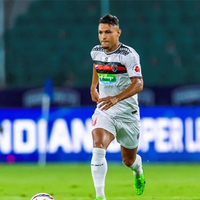
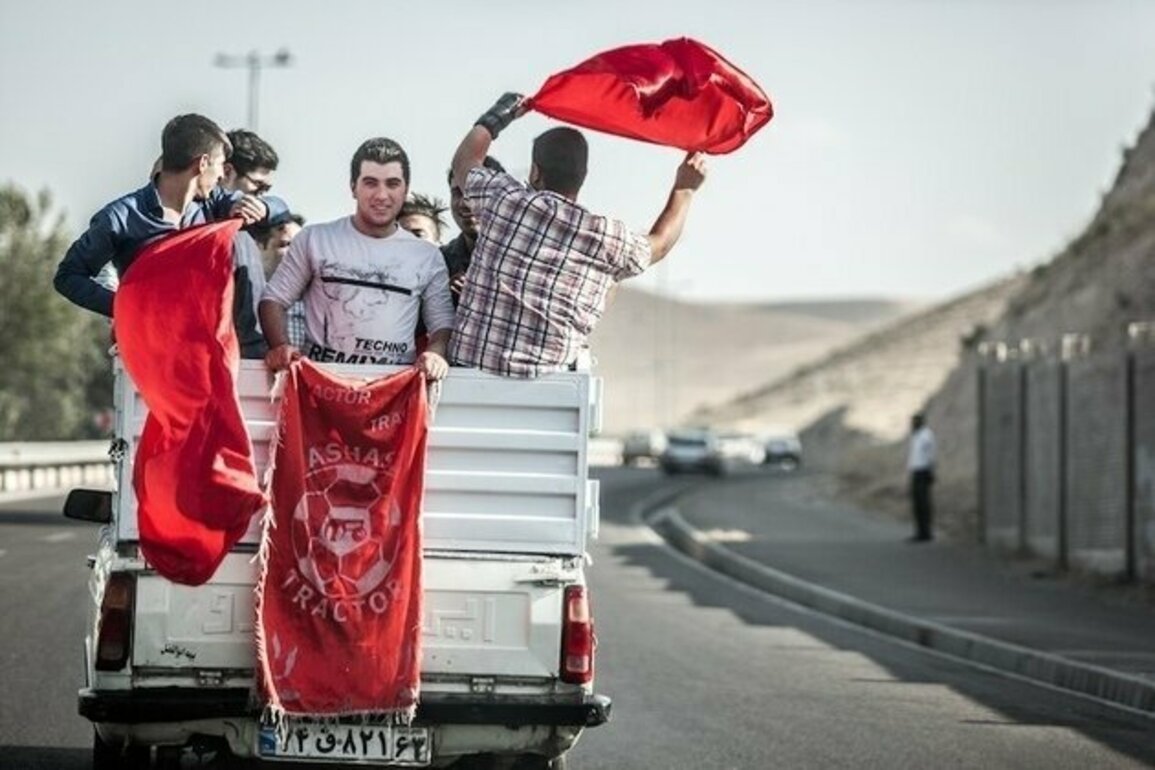
viewsSebastian Castelier/ShutterstockIn May 2025, the Iranian football clubTractor, based in Tabriz, won the Persian Gulf Pro League for the first time. For many, this was merely a sports story. But for millions of Iranian Turks, it marked something far more profound: a moment of symbolic victory in a decades-long struggle for cultural visibility, dignity, and political relevance in a state that has often denied the existence of its ethnic diversity. Tractors victory resonated across Irans northwestern region, known by its inhabitants as South Azerbaijan. Home to a large Azerbaijani Turk population, this region has long struggled under policies that centralize Persian identityat the expense of minority cultures. The red jersey of Tractor has thus become more than team colorsit is a banner for millions who feel politically sidelined and culturally erased.
The Iranian state has for over a century promoteda Persian-centric national identitythrough policies of language homogenization, media control, and restrictions on non-Persian cultural expression. Turkish (Azerbaijani) language education remains banned. Local folk traditions and naming customs are often discouraged. Public displays of ethnic pride are routinely dismissed as separatism. In this context, Tractor became an unlikely visibility platform. For years, its stadium was one of the few spaces where Iranian Turks could chant in their language, wave cultural symbols, and publicly assert who they are without immediately being silenced.
This is not a unique phenomenon. In repressive or centralizing states, sports often function as a substitute arena for politics. The case of FC Barcelona and its historic role in Catalonia is a well-known example. Under Francoist Spain, the club provided a space for symbolic resistance when the Catalan language and identity were suppressed. Camp Nou became a space where thousands gathered to shout what they could not say elsewhere. Tractor functions in much the same way. It gives its supportersmany of whom are young, educated, and increasingly connected through digital platformsa sense of collective agency.
The celebrations following the championship revealed the underlying forces that Tractor represents. In cities from Tabriz and Urmia to Tehran and even abroadin Istanbul, Baku, and Viennafans sang folk songs, raised banners, and circulated slogans emphasizing Turkic identity. Social media erupted with messages of solidarity, many of them quoting expressions of pride and slogans affirming cultural distinction. We are Turks, not Persians was not meant to divide, but to demand recognition. This was one of those peaceful, symbolic acts of assertion for a community that has long been accused of disloyalty simply for asserting its identity.
The Iranian states reaction to Tractors title has been instructive. While official media did report the victory, they carefully avoided any reference to ethnic pride or regional identity. In some areas, security forces reportedly warned against public celebrations deemed politically sensitive. State narratives attempted to nationalize the victory, framing it as a triumph for all Iranians, while suppressing the very identity that made the moment matter for many.
This episode is particularly important for outside observers, especially those in academia, because it offers a real-time case study of how cultural suppression can create alternate spaces of expression. When language, literature, and civic institutions are closed off, people often find their voice through symbolism, including sports. This championship was not just about points on a league table. It was a grassroots moment of cultural affirmation under authoritarian pressure.
International reactions lent it weight. Turkish and Republic of Azerbaijan media highlighted Tractors victory. Turkish politicians, including the mayor of Ankara, described the victory as a gift to the wider Turkic world. Football clubs across the Turkic-speaking regions posted messages of congratulations. Even fans in Crimea and Central Asia joined in. This was a rare instance of external validation for Iranian Turks, when their local suffering echoed far beyond Irans borders.
This is where the academic significance becomes clear. Tractors victory shows how identity issues are not only resolved on the streets or battlefields, but also through everyday symbols and emotional bonds. Amid a moment of ethnic expression now dominated by cultural performance and digital media, this case offers a useful window into the microdynamics of resistance. It offers a compelling case for deeper investigation into how public rituals like football celebrations carry political meaning.
Now, a silent but potent challenge is posed to the Iranian state as Tractor has shown that its efforts to homogenize identity are not entirely successful. Cultural difference is not vanishingit is adapting, reasserting itself in new ways. And if the only place where Iranian Turks can feel seen is inside a stadium, then perhaps the real issue is not football, but the failure of the political system to recognize the full diversity of its people. For scholars of authoritarianism, nationalism, and minority politics,the Tractor phenomenonis a moment that deserves serious attention. Its a reminder that even within highly controlled societies, cultural identities can find a way to breathe through sport, celebration, and the sheer human need to be heard.
Further Reading on E-International Relations
- The Theatre of Politics: Politics as Oscar Broadway
- Future of Popular Geopolitics: Croatia, Affective Nationalism and the World Cup
- Opinion The Long History of the Olympic Industry and Totalitarian Regimes
- Politics of Continuity and US Foreign Policy Failure in Central Asia
- Fiction, Film & Empiricism: Comparative Politics as Action and Adventure
- Social Media Europe and the Rise of Comedy in Global Diplomacy
About The Author(s)
Babek Chalabiis a PhD student and the founder ofArazNews.orga platform dedicated to raising awareness about South Azerbaijani issues.