


The blackout in Spain which caused a state of emergency serves as a reminder for Australia to make its renewable energy system secure and resilient, writesPaul Budde.
THE RECENT COLLAPSE of Spainselectricity networkis a stark reminder that the energy transition must be carefully managed. Australia, despite positive progress, cannot afford complacency as it accelerates its move towards a renewable future.
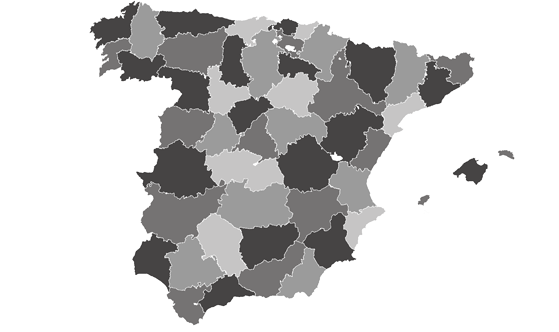
On 28 April, Spain suffered a massive blackout that affected most of the Iberian Peninsula and briefly disrupted power supplies in southern France. According to Red Elctrica Espaola (REE), Spains grid operator, the failure was triggered by a sudden, sharp loss of approximately 15 gigawatts of generation nearly one-third of the country's daytime demand within seconds. This imbalance disconnected Spain from the French grid and caused widespread outages across Spain and Portugal.
At the time of the collapse, Spain was heavily reliant on solar power, accounting for nearly 59% of daytime supply, with wind energy contributing around 12%. Early speculation suggested that rare atmospheric conditions might have contributed to the disruption, but according toReuters, technical analysis later confirmed that the cause was a pure electrical imbalance: a rapid drop in generation and a failure to maintain grid stability.
Australia-Asia Power Link pivotal in renewable energy futureA major solar energy project is set to become a milestone achievement in renewable energy with strategic geopolitical significance.
Critically, Spains system lacked sufficientinertiathe stabilising effect traditionally provided by large spinning machines such as coal, gas, or hydroelectric turbines. Inertia slows down changes in frequency when a disturbance occurs, giving operators time to respond. Without it, disturbances escalate much faster. Renewable sources like solar and wind connected through inverters do not naturally provide this inertia, unless special technologies are used.
The transmission infrastructure in Spain also struggled to keep pace with the rapid growth of renewables, resulting in local bottlenecks and further vulnerabilities. According to Red Elctrica Espaola, power was largely restored within six to ten hours and by the early hours of 29 April, grid stability had been re-established for 99% of demand.
Spains experience is a textbook example of what can go wrong when renewable energy expansion outpaces critical investments in grid stabilisation, storage and transmission.
Meanwhile, Australia, often perceived as a reluctant or chaotic energy reformer, offers a surprising contrast.
TheAustralian Energy Market Operator (AEMO) has long warned about the risks of a low-inertia grid.
In response, the country has undertaken strategic measures:
Project EnergyConnect, the 900-kilometre transmission link between South Australia and New South Wales, is nearing completion. It is designed to share renewable energy across regions and enhance system resilience.
- The creation of Renewable Energy Zones (REZs) clusters new projects with supporting transmission infrastructure, avoiding the disorganised build-out that has plagued other markets.
- Australia is investing heavily ingrid-scale battery storage.NeoensHornsdale Power Reservein South Australia set a precedent, and now companies likeAGLare developing over 1.4 gigawatts of additional battery projects, providing fast frequency response and backup capacity.
Strategies are urgently needed to prevent an impending power shortage crisis, including ramping up reliance on renewable energy.
These initiatives reflect an understanding that the energy transition is not just about building more solar farms and wind turbines. It requires a systemic approach that addresses transmission, stability and real-time grid management.
Challenges remain. Rooftop solar already supplies more than 70% of South Australias electricity demand during some midday periods, pushing operational demand to very low levels and requiring new management tools such as dynamic export controls.
The lesson from Spain is clear: there are no shortcuts. A successful renewable future demands constant investment not just in generation, but in the networks, storage systems and technologies that keep the system secure and resilient.
Australias progress deserves recognition. However, maintaining system stability in an increasingly complex and decentralised energy environment demands continued vigilance, planning and investment.
Spains blackout is a powerful reminder that even the most ambitious renewable energy goals must be matched by an equally ambitious commitment to ensuring the grids strength and flexibility.
Paul Buddeis an Independent Australia columnist and managing director ofPaul Budde Consulting, an independent telecommunications research and consultancy organisation. You can follow Paul@PaulBudde.
Related Articles
- Australia-Asia Power Link pivotal in renewable energy future
- Unlocking the path toward a sustainable energy future
- Work towards Asia-Pacific renewable energy targets gains momentum
- Renewables race: Code red to go green for climate
- Looming wind farm isn't as green as it appears